FPV receivers are a key part of any drone setup, allowing your drone to receive control signals from your transmitter. Without a reliable receiver, your drone cannot respond accurately or maintain stable flight.
This guide explains what FPV receivers are, how they work, and how to choose the right receiver for your drone and flying style.
What Is an FPV Receiver?
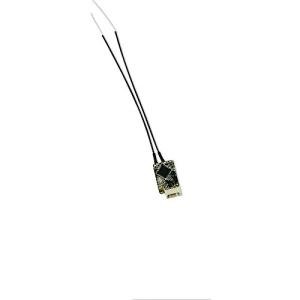
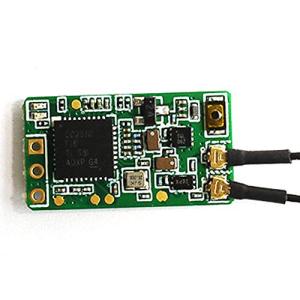
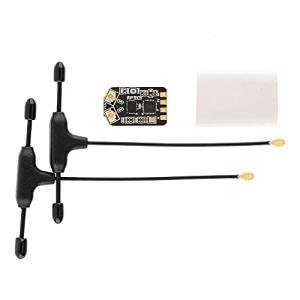
An FPV receiver is a small electronic component installed on a drone that receives signals from a radio transmitter. These signals control throttle, direction, and movement during flight.
The receiver acts as the link between the pilot and the drone, translating input from the controller into real-time actions.
How FPV Receivers Work
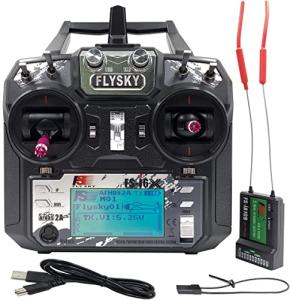
FPV receivers communicate with transmitters using radio frequencies. When you move the sticks on your controller, signals are sent to the receiver, which then passes instructions to the flight controller.
The speed and reliability of this communication directly affect how responsive and stable your drone feels.
Types of FPV Receivers
2.4GHz Receivers
2.4GHz receivers are widely used and offer a good balance between range and responsiveness. They are common in many beginner and intermediate drone setups.
- Balanced performance
- Good for general use
- Widely compatible
900MHz Receivers
900MHz receivers are designed for long-range flying. They provide better signal penetration and extended distance, but may have slightly slower response times.
- Long-range capability
- Better signal penetration
- Slightly lower responsiveness
Integrated Receivers
Some drones and flight controllers come with integrated receivers. These simplify setup but may limit flexibility when upgrading components.
- Compact and convenient
- Easier installation
- Less customisation
Receiver Protocols Explained
FPV receivers use different communication protocols to transmit data. These protocols affect latency, reliability, and compatibility.
- Low-latency protocols improve responsiveness
- Stable protocols reduce signal dropouts
- Compatibility depends on your transmitter
How to Choose the Right FPV Receiver
Choosing the right receiver depends on your setup and flying goals.
- For beginners: choose simple, widely compatible receivers
- For long-range flying: choose lower frequency receivers
- For racing or freestyle: prioritise low latency
- For upgrades: check compatibility with your transmitter
Common Mistakes When Choosing FPV Receivers
- Choosing a receiver incompatible with the transmitter
- Ignoring signal range requirements
- Overcomplicating setup for beginner builds
- Not considering future upgrades
Frequently Asked Questions
What does an FPV receiver do?
An FPV receiver receives signals from your transmitter and converts them into commands that control your drone during flight.
Browse more components in our drone parts category.
Final Thoughts
FPV receivers are essential for reliable drone control. Choosing the right receiver improves responsiveness, signal stability, and overall flying performance.