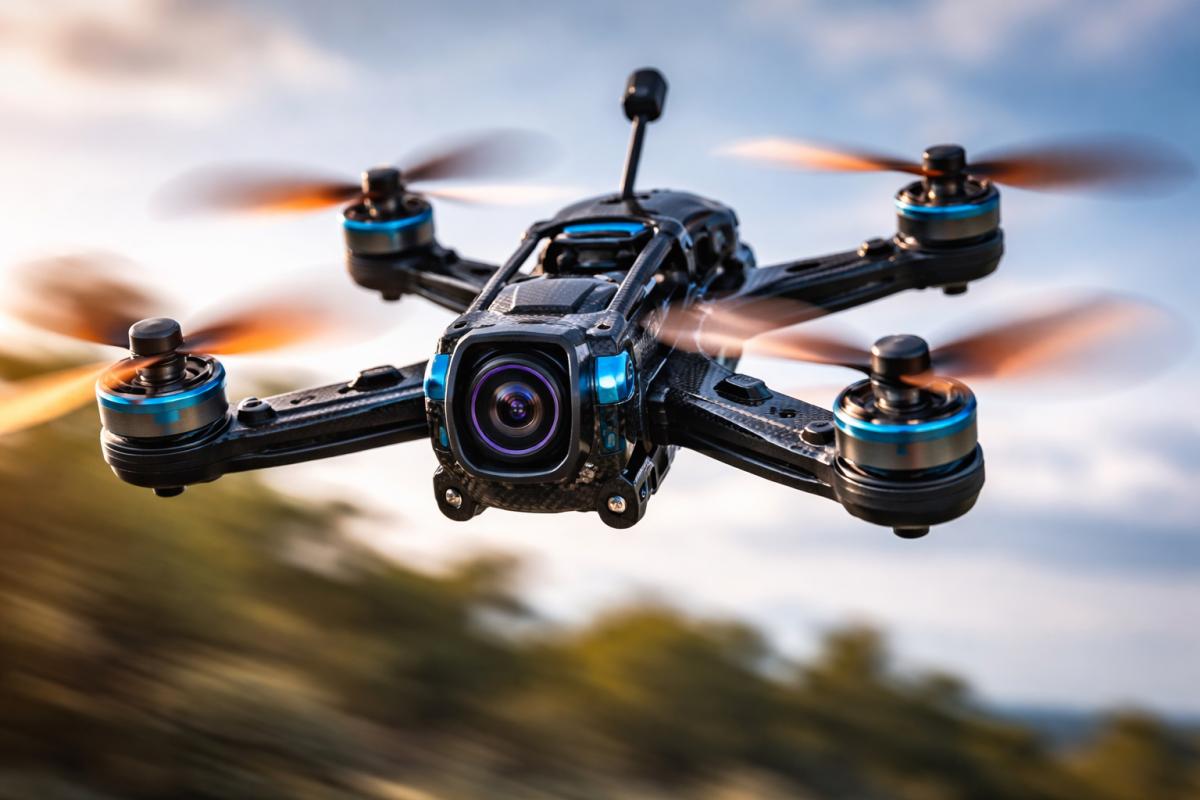
Drone propellers are one of the most important components of any drone. They generate lift, control movement, and directly affect how stable or responsive your drone feels in the air.
This guide explains how drone propellers work, the different types available, and how to choose the right propellers for your setup.
What Are Drone Propellers?
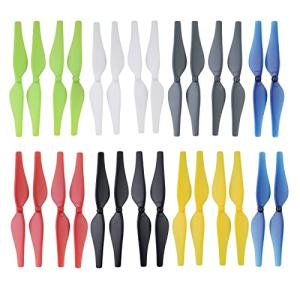
Drone propellers are rotating blades attached to motors. As they spin, they push air downward, creating lift that allows the drone to fly.
Each drone typically uses multiple propellers working together to control direction, stability, and altitude.
How Drone Propellers Work
When propellers spin, they create differences in air pressure. This generates lift and allows the drone to rise, hover, and move.
By adjusting the speed of individual propellers, the drone can tilt, turn, and change direction.
Types of Drone Propellers
Two-Blade Propellers
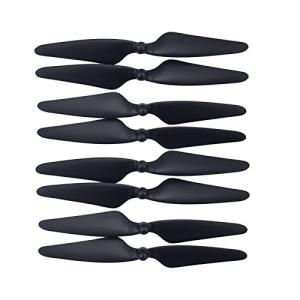
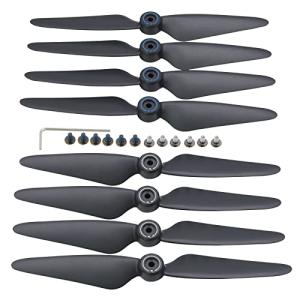
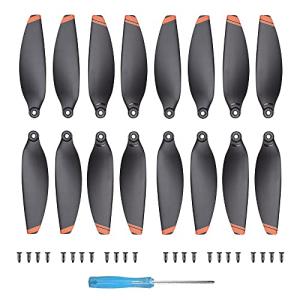
Two-blade propellers are lightweight and efficient. They are often used when longer flight times are needed.
- Efficient and lightweight
- Longer flight times
- Less grip in aggressive flight
Three-Blade Propellers
Three-blade propellers provide more grip and control, making them popular for FPV and freestyle flying.
- Better control and responsiveness
- Improved stability in turns
- Slightly reduced efficiency
Four-Blade Propellers
Four-blade propellers offer maximum grip and stability, but are less efficient and typically used in specialised setups.
- High stability
- Strong grip in the air
- Higher power consumption
Propeller Size and Pitch Explained
Propeller size refers to the diameter of the prop, while pitch refers to how much air the propeller moves with each rotation.
- Larger props = more lift, slower response
- Smaller props = faster response, less lift
- Higher pitch = more speed, more power usage
- Lower pitch = smoother, more efficient flight
How to Choose the Right Drone Propellers
Choosing the right propellers depends on your drone type and how you fly.
- For beginners: choose stable, balanced propellers
- For FPV flying: choose higher grip (3-blade props)
- For longer flights: choose efficient, lightweight props
- For camera drones: focus on smooth, stable performance
Common Mistakes When Choosing Propellers
- Using the wrong size for the drone frame
- Ignoring motor compatibility
- Choosing aggressive props for beginner setups
- Mixing different prop types on the same drone
Frequently Asked Questions
What do drone propellers do?
Drone propellers create lift by pushing air downward, allowing the drone to fly, hover, and change direction.
Final Thoughts
Drone propellers directly affect how your drone performs in the air. Choosing the right type, size, and pitch can improve stability, efficiency, and overall flight experience.